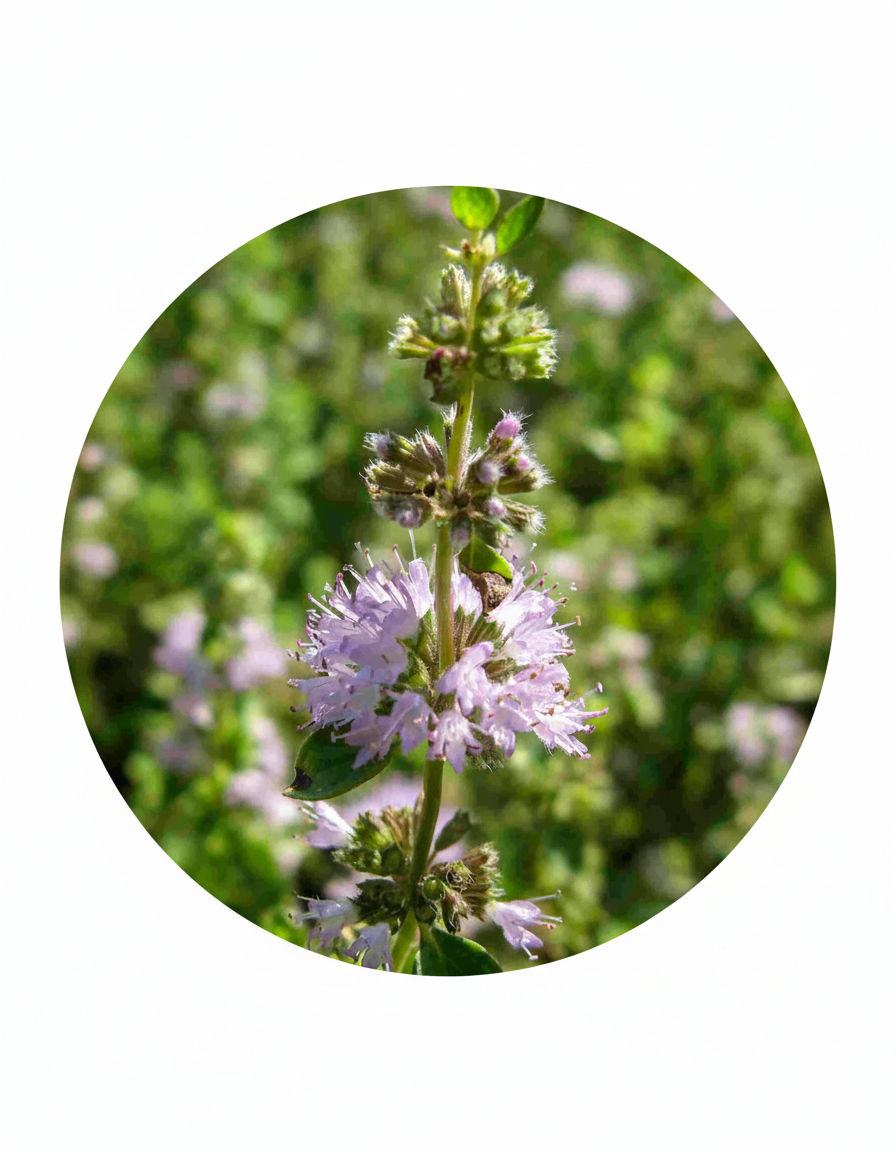
Pelargonium, commonly known as Geranium, is a fragrant aromatic plant with a long history of traditional use. Native to the Mediterranean region and Southern Africa, it is especially valued for its delicate, rose-like aroma and its versatile applications in aromatherapy and natural perfumery. Botanically known as Pelargonium graveolens, the plant is distinguished by its richly scented leaves and flowering tops.
Goya Botanicals Pelargonium Essential Oil is carefully distilled from the leaves and flowering aerial parts of Pelargonium plants grown in the sun-rich landscapes of southwest Turkey. Through gentle, unpressurized steam distillation, the plant’s natural aromatic profile is preserved, resulting in a refined and well-balanced essential oil.
Geranium Essential Oil
4 Al, 3 öde
Pelargonium essential oil is a versatile ingredient with a wide range of traditional and contemporary applications:
-
Aromatherapy:
Its floral and balanced scent may help create a calming atmosphere, supporting relaxation and emotional balance when diffused. -
Skin Care:
Traditionally used in formulations aimed at supporting skin balance. When diluted with a carrier oil, it may be incorporated into skincare products and massage blends. -
Mood & Emotional Balance:
The comforting aroma of Pelargonium is often used to promote a sense of calm, stability, and emotional harmony. -
Natural Perfumery:
Widely valued in natural fragrance creation, its soft rosy notes blend well with floral, citrus, and woody essential oils. -
Antimicrobial Properties:
Traditional sources describe Pelargonium essential oil as having cleansing and purifying qualities, making it suitable for natural home care and cosmetic formulations. -
Insect Repellent Uses:
Pelargonium oil has been traditionally included in natural blends used to deter insects.
-
Essential oils are highly concentrated plant extracts that require specific storage conditions to maintain their potency, fragrance, and therapeutic benefits. Improper storage can lead to oxidation, evaporation, or degradation of the oils, significantly reducing their effectiveness. Here are key guidelines for storing essential oils:
Store in the Original Dark Glass Bottles: Essential oils are sensitive to light, which can cause chemical changes and degrade their quality. For this reason, they should always be stored in dark glass bottles, typically amber or cobalt blue. Glass is preferred over plastic because some oils can corrode plastic, contaminating the oil and damaging the container.
Keep Away from Heat and Sunlight: High temperatures accelerate the oxidation process and cause oils to lose their potency. It's essential to store them in a cool place, ideally between 5-15°C (41-59°F). Exposure to direct sunlight should be avoided, as UV rays can break down the oils' chemical composition. A dark, cool cupboard or even a refrigerator works well.
Seal Bottles Tightly: Essential oils are volatile, meaning they can evaporate quickly. To prevent this, always ensure that the bottle caps are tightly sealed when not in use. This not only preserves the oil but also prevents exposure to air, which can lead to oxidation and a reduction in the oil’s lifespan.
Avoid Moisture and Humidity: Essential oils should be kept in a dry environment. Humidity and moisture can degrade the oil or cause mold to form inside the container. Store the oils in a place where the humidity is controlled, such as a dry cabinet or a cool shelf in a room with consistent temperature.
Store Away from Children and Pets: Since essential oils are highly concentrated and can be toxic if ingested or improperly applied, it is critical to store them out of the reach of children and pets. A locked cabinet or a high shelf is ideal to ensure safety.
Essential oils are highly concentrated, powerful herbal extracts derived from various plant sources. Due to their potent chemical compositions, they may exhibit strong biological and physiological effects on the body. The above information is drawn from available scientific research and traditional knowledge, as referenced in the accompanying list of sources. It is important to note that this content is provided for informational purposes only and is not intended to replace professional medical advice, diagnosis, or treatment for any health condition. Please consider the following warnings before use:
Direct Skin Contact: Avoid applying essential oils directly to the skin. Always dilute them with a carrier oil to prevent skin irritation.
Allergic Reactions: If using an essential oil for the first time, perform a patch test on a small area of skin to check for any allergic reactions.
Internal Use: Internal consumption of essential oils is not recommended without the supervision of a healthcare professional. Misuse can lead to serious health issues.
Eye and Mucous Membrane Contact: Keep essential oils away from the eyes, ears, and sensitive mucous membranes. If contact occurs, rinse thoroughly with water and seek medical advice immediately.
Existing Medical Conditions: If you have any chronic illnesses, or serious medical conditions, consult a healthcare professional before using essential oils. Essential oils may interact with certain medications or exacerbate specific health conditions.
Pregnancy and Breastfeeding: Consult your doctor before using essential oils during pregnancy or while breastfeeding. Some oils may not be suitable for these periods.
Not a Substitute for Medical Treatment: Essential oils can provide complementary health support, but they should not replace any medical treatment. Always consult a healthcare professional for health concerns.
While essential oils have been used for centuries in wellness practices, their effects can vary widely depending on factors such as individual health, application methods, and the specific oil in question. Therefore, Goya Botanicals does not assume responsibility for any adverse effects or harm that may result from the use of, or reliance upon, the information provided here.